
Salesforce Careers in Mexico and LATAM Are Changing. We Want to Help You Keep Up.
- Team Saltbox Mgmt

- Feb 9
- 2 min read
Updated: Feb 10
Saltbox Mgmt is deeply invested in the Salesforce talent community in Mexico and LATAM. We’ve spent years building our presence in Mérida, Mexico, with a focus on long-term growth, strong delivery, and respect for the professionals doing the work.
That investment goes beyond delivery. We’re active in the local ecosystem, including Shane Smyth’s teaching of Salesforce-related coursework at the Universidad Autónoma de Yucatán, and working closely with professionals at different stages of their careers. Through that work, we see how quickly the market is changing, and how often outdated assumptions still shape conversations about compensation and growth.
Every year, salary guides get published to help Salesforce professionals guide their career decisions, but we noticed a gap. While Salesforce salary surveys for the U.S. and Europe are widely available, far fewer take a meaningful, localized look at Mexico and LATAM. Given our long-term investment in Mexico and our proximity to the talent community there, we wanted a clearer view of how compensation, growth, and opportunity are actually showing up on the ground today.
About the Survey
This analysis is based on responses from 80 Salesforce professionals, primarily in Mexico, with additional responses from across LATAM. Data was collected at community events including Latinforce at Dreamforce and Mexico Dreamin’, where Saltbox Mgmt was a Platinum Sponsor.
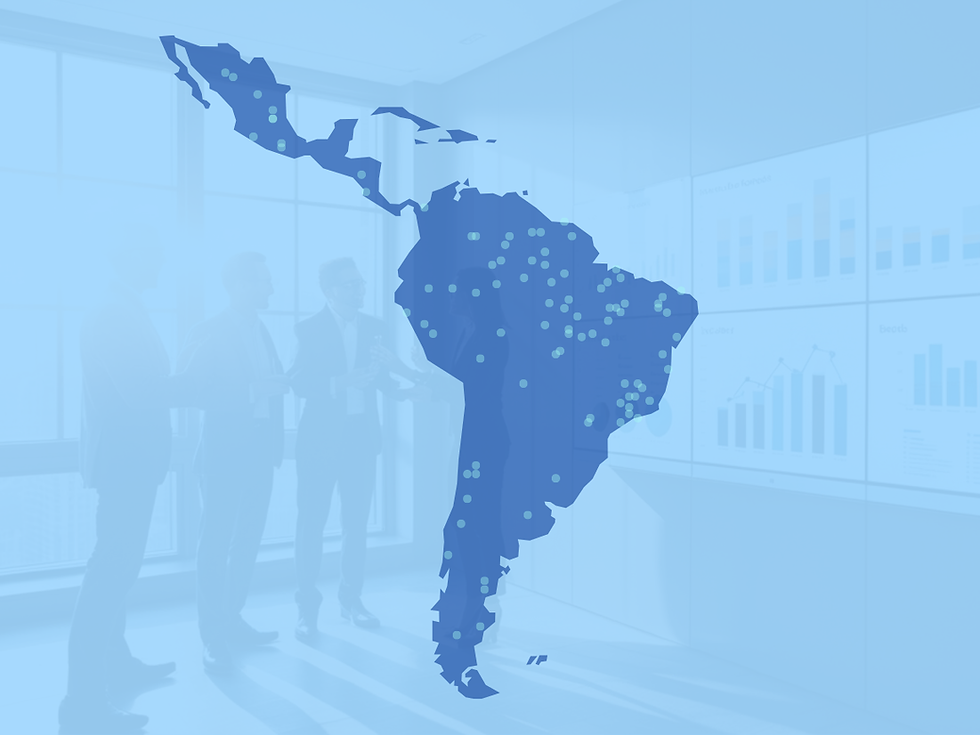
All responses were self-reported and represent a mix of roles, seniority levels, and work models. Because this is a small, community-sourced dataset, the findings should be viewed as directional rather than definitive. We focused on patterns and trends, not precise market ceilings.
Salaries are shown in USD and MXN, and results are presented as ranges rather than single-point estimates.
Who Responded
This survey reflects a delivery-focused Salesforce population.
Most respondents work as Salesforce Administrators, Developers, or Consultants. From a seniority perspective, the majority identify as Intermediate or Senior, reflecting a market that has moved well beyond entry-level but is still maturing.
Work models reinforce another important shift:
Most respondents work fully remote.
Hybrid work is common.
Fully in-office roles are now the exception.
This context matters. When work is no longer tied to a specific office or city, traditional assumptions about salary and growth start to change.
What This Series Will Explore
Instead of packaging this research into a gated salary guide, we’re sharing the findings as a series of short, focused posts. Each post centers on a core theme that emerged from the survey, including patterns that confirmed what we expected to see and others that challenged our assumptions.
As the Salesforce talent market in Mexico and LATAM matures, understanding compensation, work models, and career signals requires more nuance than a single benchmark. This series is designed to surface that nuance and make it easier to navigate what’s changing and why.
Read the next blog: What a Maturing Salesforce Job Market Looks Like in Mexico and LATAM
P.S. We’re continuing to invest in Salesforce talent across Mexico and LATAM. If you’d like to see open roles at Saltbox Mgmt, you can find them here.

